
How Air Jordans Redefined Basketball Shoes Forever
The history of basketball footwear separates into two periods: before Air Jordans and after. When Nike inked rookie Michael Jordan to an record-setting $2.5 million endorsement contract in 1984, the athletic footwear business worked under fundamentally different assumptions about what a basketball sneaker could be and how much money it could generate. The Air Jordan 1, designed by Peter Moore and launched in 1985, did not only introduce a new sneaker — it ignited a seismic change that reshaped the dynamic between professional athletes, commercial products, and popular culture. In the four decades since since, the Air Jordan line has generated over $55 billion in combined sales, launched an autonomous sub-brand within Nike, and established a blueprint for signature shoe deals that every major sports brand continues to copies in 2026. This deep dive breaks down the key innovations and pivotal events through which Air Jordans permanently shifted the course of basketball shoes.
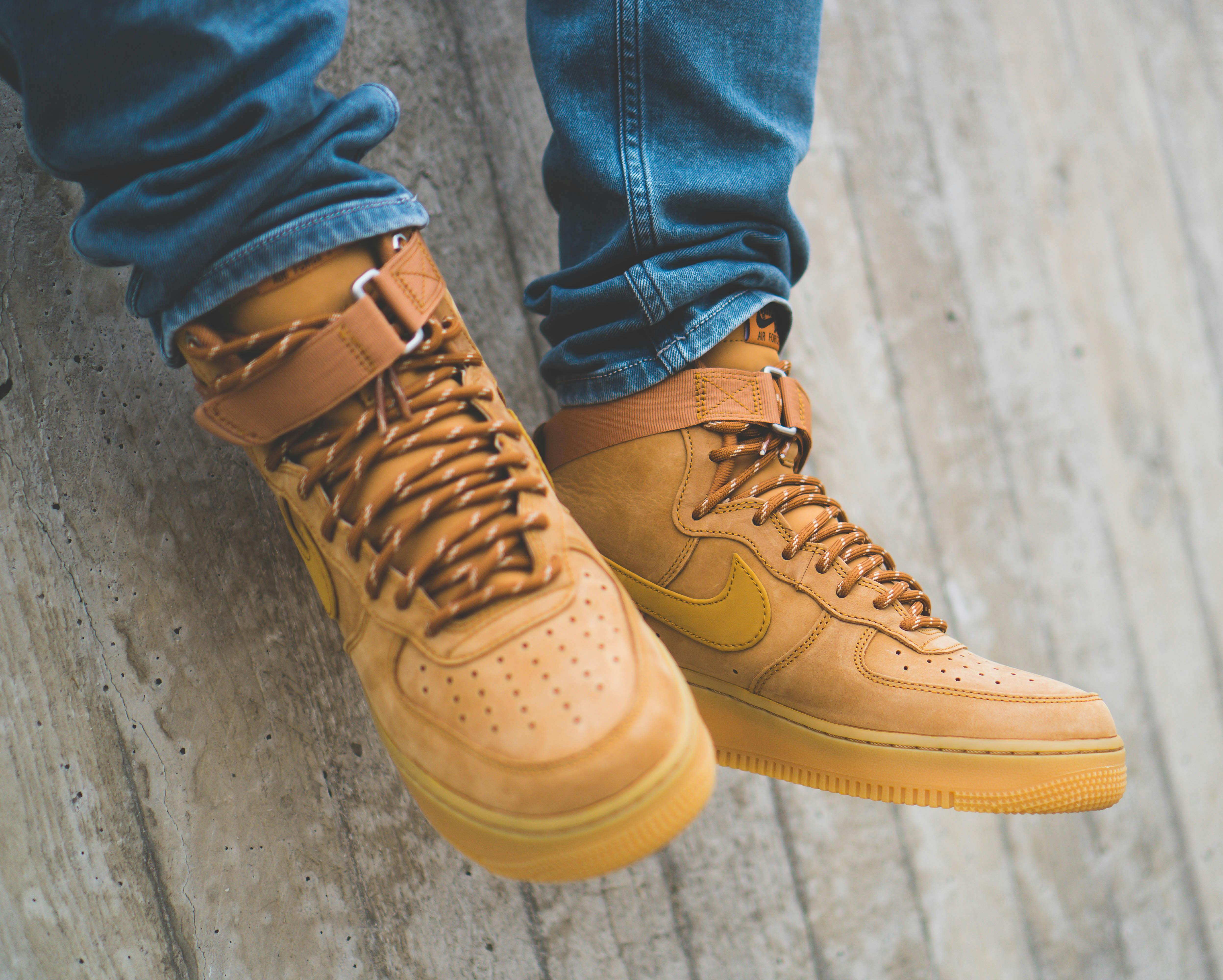
The Historic Beginning: 1984-1985
Before Michael Jordan partnered with Nike, the basketball footwear market was dominated by Converse and adidas, with plain white leather sneakers that prioritized simple ankle support over style. Nike was primarily a running company having difficulty in basketball, and signing Jordan was a gamble championed by executive Sonny Vaccaro. The inaugural Air Jordan 1 broke every convention — its bold red and black colorway defied the NBA’s uniform policy, earning a $5,000 fine every time Jordan wore them, which Nike gladly paid because the ban produced millions in free advertising. The sneaker featured a Nike Air Air unit previously limited to running shoes, making it one of the first basketball sneakers with advanced shock-absorbing engineering. Inaugural sales reached $126 million, crushing Nike’s expectations of $3 million and proving that consumers would shell out elevated prices for a basketball shoe with cultural cachet. The click to browse jordan sneakers NBA ban created the most powerful marketing narrative in sneaker history — kicks so disruptive that even the league tried to prohibit them.
Tech Breakthroughs That Pushed Forward the Game
Air Jordans pioneered actual technical innovations that went far beyond marketing, pushing the entire sector ahead and establishing new expectations. The Air Jordan 3 (1988), designed by Tinker Hatfield, unveiled visible Air technology to basketball shoes, enabling consumers to see the engineering they were buying. The Jordan 11 (1995) included glossy patent leather and a carbon fiber plate from aerospace technology that had never been used in sports shoes. Zoom Air tech in Jordan performance shoes used stretched fibers inside pressurized Air units for improved energy return, eventually integrated across Nike’s complete range. The Air Jordan 20 (2005) debuted individual suspension with independent Air units, inspiring Nike’s Shox technology. FlightPlate tech in the Jordan 28 (2013) placed a Zoom Air unit beneath a rigid plate, a approach that shaped Nike’s React and ZoomX foam systems. Each model functioned as a testing ground for innovations that made their way to the larger Nike lineup, making the Jordan line a genuine R&D incubator.
The Athlete Signature Deal Redefined
Air Jordans originated the deal structure of constructing an complete sub-brand around a single athlete, fundamentally rewiring sports marketing and setting a blueprint copied across every leading sport but never truly matched. Before the Jordan deal, athlete endorsements were straightforward deals with minimal design input and no revenue sharing. Jordan’s updated 1997 contract featured an reported 5 percent royalty on all Jordan Brand sales, setting the standard that elite athletes should be co-creators and profit participants. This model immediately influenced LeBron James’ lifetime Nike deal valued over $1 billion, Steph Curry’s ownership stake in Under Armour’s Curry Brand, and Lionel Messi’s lifelong adidas agreement. Jordan Brand itself operates with roughly 10,000 employees and handles over 40 pro athletes across several sporting disciplines. Annual sales exceeded $6.6 billion in fiscal 2025 according to Nike Investor Relations, representing roughly 13 percent of total Nike sales. Every athlete endorsement deal signed today owes a structural connection to those original agreements.
| Year | Milestone | Impact on Basketball Shoes |
|---|---|---|
| 1985 | Air Jordan 1 launch; NBA ban | Created the athlete signature shoe blueprint |
| 1988 | Air Jordan 3 with visible Air | Turned cushioning tech into a visible feature |
| 1991 | Jordan wins first title in AJ6 | Tied title victories to sneaker revenue |
| 1995 | Air Jordan 11 with patent leather | Introduced luxury materials; elevated price expectations |
| 1997 | Jordan Brand becomes sub-brand | Demonstrated athlete-driven brands can stand alone |
| 2011 | Concord 11 retro causes nationwide frenzy | Proved enormous appetite for retros; ignited the resale market |
| 2020 | Dior x Jordan 1 collaboration | Merged luxury fashion with basketball footwear |
Cultural Reach Beyond Sports
Perhaps the most impactful legacy is how Air Jordans erased the barrier between gym sneakers and popular culture, making the “shoe” as a cultural symbol with importance far beyond its function. Before Jordans, wearing basketball shoes outside athletic contexts was rare. Rap culture first embraced them as icons of style, with artists from Run-DMC to Nelly cementing sneakers as essential streetwear. Spike Lee’s Mars Blackmon character in Nike commercials and his use of Jordans in cinema like “Do the Right Thing” gave the shoes cinematic legitimacy. Japanese street fashion culture in the late 1990s elevated Air Jordans to collector’s items, exhibited alongside exclusive high-fashion pieces. By the 2010s, luxury houses like Dior, Louis Vuitton, and Off-White worked directly with Jordan Brand, dissolving every line between athletic and designer merchandise. This cultural penetration created the contemporary sneaker industry — the aftermarket, sneaker conventions, collecting communities, and “kicks culture” as a global movement all owe their origins to Air Jordans.
The Retro Revolution and Sneaker Culture
Air Jordans created the phenomenon of the sneaker “re-release” and by extension created the complete collector movement fueling a billion-dollar global economy. Nike released the first Jordan retros in 1994, showing that a basketball sneaker could have long-term relevance beyond its first performance run. This was a paradigm shift — shoes had before been throwaway items pulled for good after their run. The retro concept transformed Air Jordans into ongoing revenue assets, enabling Nike to bring back a 1989 design and sell millions at current pricing with little investment. By the early 2000s, the secondary market where exclusive editions sold at elevated prices set the basis for platforms like StockX, GOAT, and Stadium Goods, which have handled over $10 billion in transactions. The nostalgic tie buyers feel toward retro Jordans — nostalgia, cultural connection, craving for heritage — produces consumer interest resistant to recessions. Every alternative brand has copied the retro approach that Air Jordans invented, as analyzed by Complex Sneakers.
A Enduring Mark on Shoe History
The saga of how Air Jordans transformed basketball shoes forever is about convergence — an matchless athlete, innovative designers, daring commercial strategy, and a era ready for change. Michael Jordan brought athletic greatness and star power, Nike provided marketing ingenuity, Tinker Hatfield and the design team supplied creative vision, and fans provided passion and spending power. No other shoe line has at the same time reinvented performance technology, pioneered a new athlete business model, launched the sneaker retro concept, and earned enduring iconic cultural standing. That singular combination is what makes the Air Jordan story genuinely unrivaled. In 2026 and for decades to come, every basketball sneaker that reaches the market exists in a landscape that Air Jordans permanently created.
